Related Articles

Champaign, In poor health. (WCIA)
Not way back, a brand new variant of Rabbit Hemorrhagic Illness Virus (RHDV) despatched shockwaves by way of the USA. However what precisely is RHDV, and the way does it have an effect on our beloved pet rabbits? Right here to make clear this essential challenge is Dr. Michelle Borsdorf from the University of Illinois Veterinary Teaching Hospital.
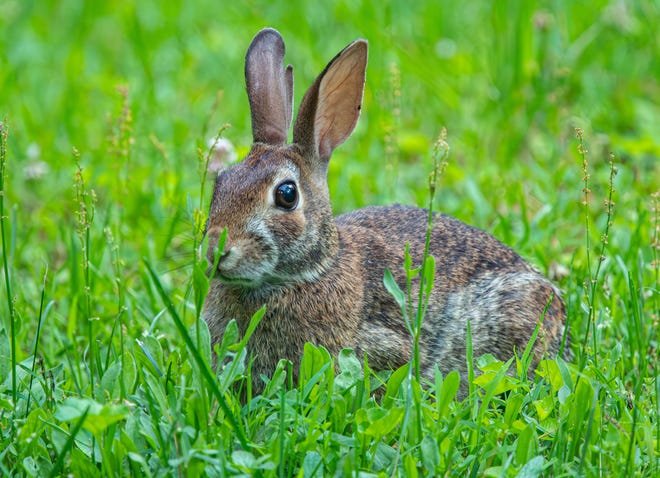
RHDV is a extremely contagious virus that infects each wild and home species of rabbits. Nevertheless, it’s essential to notice that RHDV doesn’t have an effect on people or different animals. This virus swiftly invades an contaminated rabbit’s bloodstream, inflicting fast injury to liver cells. Because the liver performs an important function in clotting, the traditional type of RHDV results in uncontrollable bleeding in affected rabbits.
The most recent variant of RHDV, first detected in the USA in 2020, is especially harmful. It boasts mortality charges of 70% to 100% in pet rabbits, making it a grave concern for bunny homeowners.
The virus can survive in numerous environments, and contaminated wild rabbits can shed it outdoor. It could possibly then be inadvertently carried into houses on clothes or sneakers, placing pet rabbits in danger.
To guard your furry pal and scale back the chance of RHDV an infection, observe these pointers:
1. Keep away from outside grazing: Don’t enable your pet rabbit to graze in areas frequented by wild rabbits.
2. Preserve hygiene: Be certain that sneakers worn exterior aren’t utilized in areas accessible to your pet rabbit. All the time wash your palms earlier than and after dealing with your bunny.
3. Feeding precautions: Chorus from feeding your pet rabbit weeds and flowers collected from areas the place wild rabbits roam.
Most significantly, Dr. Borsdorf strongly recommends vaccinating your pet rabbit towards this new RHDV variant. The College of Illinois Veterinary Instructing Hospital has organized vaccination clinics to assist defend these beloved pets. The vaccine requires two doses administered not less than three weeks aside, adopted by annual boosters.
For extra info and to schedule a vaccination appointment, please go to the RHDV info web page at vetmed.illinois.edu.